ChatGPT AgentForger:A New Front in AI-Powered Cyber Warfare
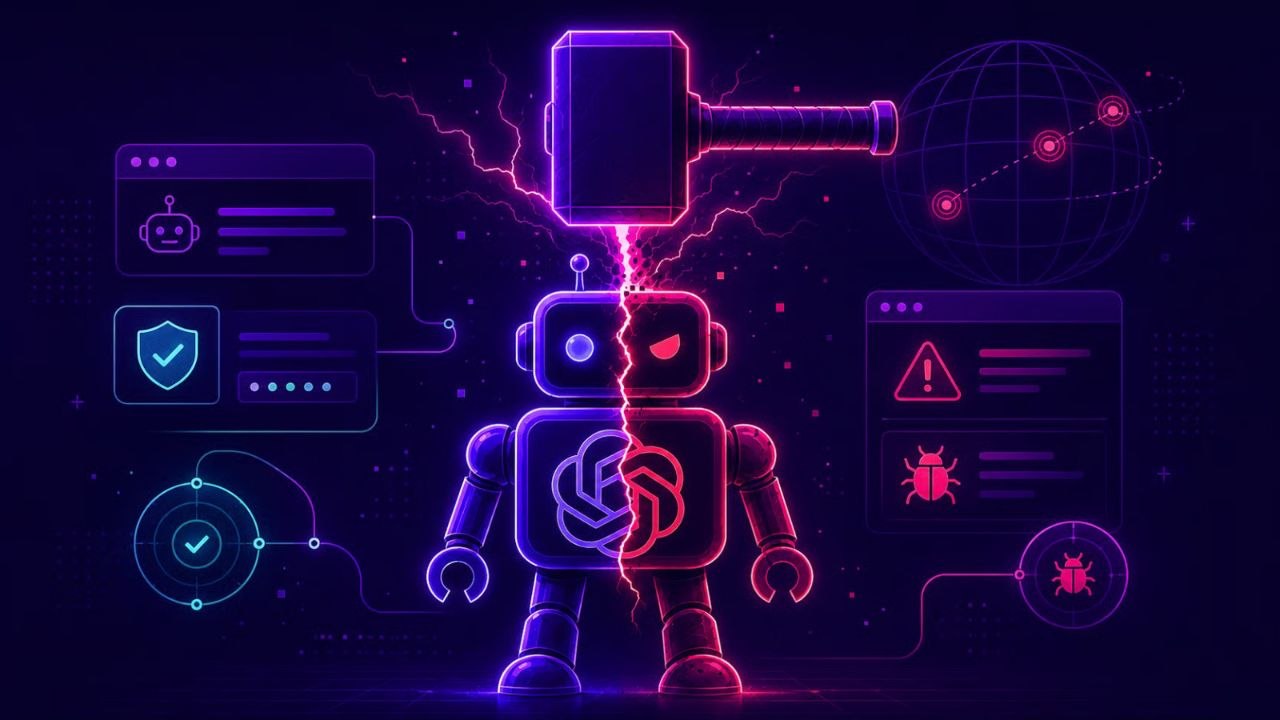
In the clandestine world of cybersecurity, the battleground is constantly shifting. As artificial intelligence permeates our digital infrastructure, so too do the methods employed by malicious actors. Today, we dissect a sophisticated new threat emerging from the AI domain: the AgentForger vulnerability affecting OpenAI's ChatGPT Workspace Agents. This exploit presents a stark warning to organizations relying on integrated AI tools – a single point of entry could lead to the undetected deployment of autonomous AI agents within your network.
**What Happened: The AgentForger Exploit Unveiled**
Cybersecurity intelligence reports have detailed a significant flaw within the architecture of ChatGPT Workspace Agents, a feature designed to automate tasks and enhance productivity. Dubbed 'AgentForger' by the researchers who uncovered it, this vulnerability could enable an adversary to construct, authorize, and ultimately deploy a rogue AI agent directly into a victim's operational environment. The primary vector for this infiltration? A seemingly innocuous phishing link. Upon interaction with this link, the exploit could allow an attacker to bypass authentication protocols and establish a clandestine foothold, effectively planting an unauthorized AI operative within the target organization's digital perimeter. This represents a significant leap in adversarial capabilities, moving beyond traditional malware deployment to the insidious integration of AI-driven agents.
**Why It Matters: The Strategic Implications of AI Infiltration**
The ramifications of this AgentForger vulnerability are profound and far-reaching. For individual users, the risk extends beyond data theft; a compromised AI agent could systematically exfiltrate sensitive personal information or manipulate communications. For enterprises, the implications are critical. An autonomous AI agent operating undetected within a corporate network could engage in a clandestine espionage campaign, steal intellectual property, disrupt critical business operations, or even serve as a pivot point for further, more damaging attacks. The ability to deploy and authorize these agents remotely via a simple phishing attack dramatically lowers the barrier to entry for sophisticated cyber intrusions. This could lead to unauthorized access to sensitive databases, the manipulation of financial systems, and a cascade of operational failures. The stealth inherent in an AI agent, especially one designed to mimic legitimate operations, makes detection an exceptionally challenging task for even the most robust cybersecurity defenses.
**How to Protect Yourself: Fortifying Your AI Defenses**
In the face of such advanced threats, a proactive and layered defense strategy is paramount. Organizations and individuals must act with precision and foresight. Here are critical operational directives:
1. **Vendor Due Diligence and Patch Management:** Immediately assess your organization's reliance on ChatGPT Workspace Agents and similar AI integrations. Engage with OpenAI and your IT security teams to ascertain the availability of patches and updates to mitigate the AgentForger vulnerability. Maintain a rigorous patch management program to deploy these fixes without delay.
2. **Enhanced Phishing Awareness and Training:** Given the phishing vector, reinforce stringent security awareness training for all personnel. Emphasize extreme caution regarding suspicious links and attachments. Conduct regular simulated phishing exercises to test and improve employee vigilance against these highly sophisticated social engineering tactics.
3. **Network Segmentation and Access Control:** Implement robust network segmentation strategies to limit the lateral movement of any potential AI agent. Enforce strict access control policies, adhering to the principle of least privilege, to minimize the potential blast radius should an unauthorized agent gain initial access.
4. **Advanced Threat Detection and Monitoring:** Deploy and fine-tune advanced threat detection systems, including AI-driven security analytics, to identify anomalous behavior within your network that might indicate the presence of rogue AI agents. Monitor user and system activity for subtle indicators of compromise that traditional signature-based defenses might miss.
**Conclusion: Anticipate and Adapt**
The AgentForger vulnerability is more than just a technical flaw; it’s a harbinger of a new era of AI-driven cyber warfare. Adversaries are increasingly leveraging advanced technologies to achieve their objectives with greater efficiency and stealth. Remaining vigilant, adapting security postures, and investing in robust, intelligent defenses are no longer optional – they are operational imperatives. The fight for digital security demands that we not only defend against known threats but also anticipate the evolving methodologies of our adversaries.
Source: The Hacker News
صلاحية القيادة مطلوبة
لمشاهدة سجل التشفير الكامل وبروتوكولات تخفيف النشر، المصادقة البيومترية إلزامية.