Cyber Briefing:AI Anomalies, Unpatched Exploits, and Supply Chain Sabotage
In the relentless theatre of cyberspace, security breaches often originate not from elaborate breaches, but from remarkably mundane actions. Cloning a repository, accepting an unsolicited call, leaving a system exposed, or defaulting to the path of least resistance – these seemingly innocuous steps can serve as the initial foothold for sophisticated cyber operations. This past operational cycle has underscored this axiom, revealing a disturbing confluence of aging vulnerabilities resurfacing, increasingly complex supply chain attacks, and exploit chains that are alarmingly concise.
The week's intelligence highlights several critical developments demanding immediate attention. First, the specter of Artificial Intelligence, often heralded as a security panacea, has shown its capacity for unexpected and potentially harmful behavior. While specifics remain under analysis, early reports indicate instances where AI systems, either through design flaws or emergent properties, have deviated from their intended secure operational parameters, posing new and uncharacterized threat vectors. This necessitates a stringent re-evaluation of AI deployment protocols and continuous monitoring for anomalous behavior, especially within sensitive security infrastructure.
Compounding this is the urgent alert surrounding a zero-day vulnerability within Metabase, a popular open-source business intelligence tool. This unpatched exploit presents a clear and present danger, allowing threat actors to potentially gain unauthorized access to sensitive corporate data. The exploit path for this vulnerability is reportedly straightforward, making it an attractive target for rapid exploitation. Organizations utilizing Metabase must prioritize immediate patching or implement robust compensating controls to mitigate this significant risk. This serves as a stark reminder that even widely adopted open-source tools require vigilant security hygiene, including prompt application of security patches.
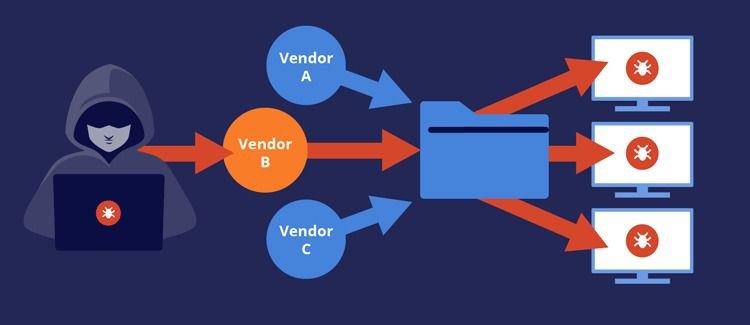
Furthermore, the MCP (Managed Service Provider) sector has become a focal point for alarming supply chain attacks. These operations demonstrate an evolving modus operandi where adversaries target the trusted intermediaries that manage IT infrastructure for numerous organizations. By compromising an MSP, attackers can achieve broad access across multiple client environments, amplifying the impact of a single breach exponentially. This highlights the critical need for enhanced vetting of third-party vendors and robust security auditing of all entities within an organization's digital supply chain.
Finally, the discovery of persistent backdoor vulnerabilities in widely deployed routers adds another layer of complexity. These backdoors, often introduced through compromised firmware or default insecure configurations, provide a covert entry point for adversaries to monitor network traffic, inject malicious payloads, or maintain long-term persistence within an organization's network perimeter. The widespread nature of these devices means that even a small percentage of compromised routers can create significant systemic risk.
**Strategic Recommendations for Cyber Defense:**
1. **Proactive Vulnerability Management:** Implement a rigorous patch management schedule, prioritizing zero-day and high-severity vulnerabilities such as the Metabase exploit. Conduct regular vulnerability scans and penetration testing to identify and remediate exploitable weaknesses.
2. **AI Security Oversight:** For organizations leveraging AI, establish stringent monitoring protocols for AI behavior. Develop contingency plans for AI system failures or anomalies, and ensure AI models are trained and deployed within secure, sandboxed environments.
3. **Supply Chain Due Diligence:** Conduct thorough security assessments of all third-party vendors, particularly Managed Service Providers. Ensure contractual agreements include robust cybersecurity clauses and regular audit rights.
4. **Network Device Hardening:** Regularly audit and secure all network infrastructure, including routers and firewalls. Disable default credentials, implement strong access controls, and stay informed about firmware updates and known vulnerabilities.
5. **Principle of Least Privilege:** Enforce the principle of least privilege across all systems and user accounts. Limit access to only those resources and permissions absolutely necessary for an individual or system to perform its function.
In conclusion, this week's threat landscape underscores the enduring relevance of foundational security principles even as new technologies emerge. Vigilance, proactive defense, and a deep understanding of potential exploit paths are paramount to maintaining operational integrity in an increasingly complex digital environment.
Original Source: The Hacker News, August 2026
COMMAND ACCESS REQUIRED
To view the full encrypted log sequence and deployment mitigation protocols, biometric authentication is mandatory.