Fortifying the Supply Chain:GitHub's Shield Against Pwn Request Exploits
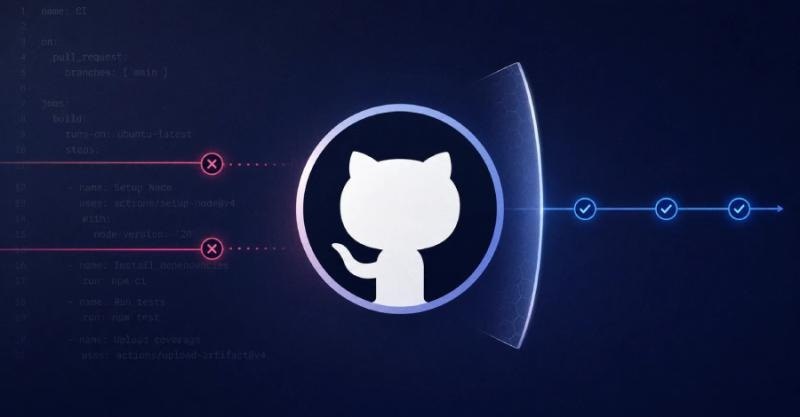
In the ever-evolving landscape of cyber warfare, the integrity of the software supply chain is paramount. Nations and organizations have long recognized that securing the foundation of digital operations is as crucial as defending the perimeter. GitHub, a cornerstone for collaborative development and a critical node in the software supply chain, has recently executed a significant strategic maneuver to enhance this security posture. Effective June 18, 2026, a critical update to the widely used `actions/checkout` module will actively block sophisticated attack patterns known as "pwn request" attacks. This defensive measure is designed to neutralize threats that exploit legacy configurations, specifically the `pull_request_target` workflow trigger, to inject malicious code with elevated privileges.
**The Threat Deployed: Unpacking the Pwn Request Exploit**
At its core, this update addresses a vulnerability inherent in how certain GitHub Actions workflows were configured. The `pull_request_target` trigger, while offering powerful capabilities, is also a high-risk vector. When a workflow is triggered by this setting and a pull request originates from a malicious fork, the workflow can execute code with the full permissions of the target repository. This opens a gateway for adversaries to perform nefarious actions, such as escalating privileges, stealing sensitive data, or injecting malicious code into the project itself. These "pwn request" attacks represent a direct assault on software integrity, aiming to compromise the very code that developers and organizations rely upon. Think of it as an enemy agent being allowed to bring their toolkit into your most secure facility under the guise of a trusted collaborator.
**Strategic Ramifications: Why This Matters in the Modern OpSec Environment**
The implications of these pwn request attacks are far-reaching and represent a significant operational risk. For individual developers, a compromised repository means their personal code could be weaponized, potentially leading to reputational damage or even legal ramifications if their work is used for malicious purposes. For organizations, the impact is exponentially greater. A successful exploit within a CI/CD pipeline can lead to widespread compromise of production systems, data breaches, intellectual property theft, and significant financial losses. In critical infrastructure, such attacks could have devastating real-world consequences. This update by GitHub is not merely a patch; it's a proactive strategic deployment to fortify a vital component of the global software development infrastructure against a discernible threat vector. It signals a maturation in understanding the attack surface presented by collaborative development tools.
**Operational Imperatives: Fortifying Your Defenses**
While GitHub's update provides significant protection, a multi-layered defense strategy remains essential. Organizations and developers must remain vigilant and implement additional safeguards to ensure comprehensive security. Here are key operational imperatives:
1. **Audit and Reconfigure `pull_request_target` Workflows:** Proactively identify and review all workflows utilizing the `pull_request_target` trigger. Where feasible, migrate to more secure triggers like `pull_request` and define the execution context more restrictively. This is the primary directive to mitigate the exploitable condition.
2. **Implement Workflow Validation and Linting:** Employ automated tools within your CI/CD pipeline to validate workflow syntax and detect potential security misconfigurations before execution. This acts as an essential gatekeeper.
3. **Leverage Permissions Scopes Rigorously:** Ensure that GitHub Actions workflows operate with the minimum necessary permissions. Avoid granting broad administrative access. Granular control is a fundamental principle of robust cybersecurity.
4. **Stay Abreast of `actions/checkout` Updates:** While the update is scheduled for June 18, 2026, remain informed about future iterations and security advisories from GitHub. Continuous monitoring and adaptation are non-negotiable.
**Conclusion: A Proactive Stance for a Secure Future**
GitHub's commitment to enhancing software supply chain security through the update to `actions/checkout` is a commendable and necessary step. This move actively neutralizes a critical attack vector, demonstrating a mature and proactive approach to tackling emerging threats. By understanding the nature of pwn request attacks and implementing the recommended protective measures, the development community can significantly strengthen its defenses and ensure the integrity of the software that powers our digital world. Vigilance and adaptation remain our most powerful weapons in this ongoing conflict.
*Source: https://thehackernews.com/2026/06/github-updates-actionscheckout-to-block.html*
COMMAND ACCESS REQUIRED
To view the full encrypted log sequence and deployment mitigation protocols, biometric authentication is mandatory.