HollowFrame's Gambit:Unpacking the Matryoshka Backdoor's Legal Sector Incursion
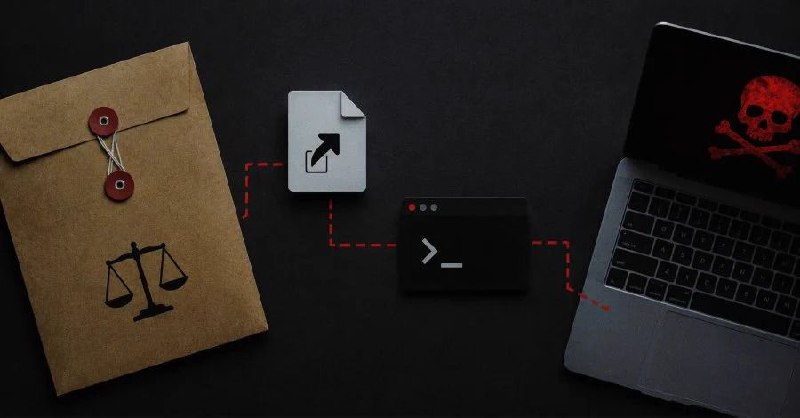
In the intricate theater of cyberspace, new adversaries and their weaponized toolkits are constantly emerging. Our latest intelligence analysis reveals a concerning development: the deployment of a previously undocumented Go-based loader framework, codenamed 'HollowFrame,' orchestrating the delivery of a potent Rust-based malware family, designated 'Matryoshka.' This intricate attack chain, detailed by threat intelligence firm Blackpoint Cyber, has been observed in targeted spear-phishing campaigns specifically aimed at the legal sector.
**Operation Matryoshka: The Breach Sequence**
The intrusion commences with a meticulously crafted spear-phishing email. These messages are designed to circumvent standard security protocols, often masquerading as legitimate communications to entice recipients into clicking a malicious link. Upon engagement, this link directs the victim to an encrypted archive. The true payload, the HollowFrame loader, resides within this archive. Once executed, HollowFrame acts as a covert installer, meticulously preparing the environment for the subsequent deployment of the Matryoshka backdoor. The choice of Go for the loader suggests a modern, cross-platform capability, while the Rust-based Matryoshka indicates a focus on performance and resilience, common traits of advanced malware.
The Matryoshka backdoor, once established, grants attackers persistent access and control over compromised systems. Its modular nature likely allows for a range of malicious activities, from data exfiltration and espionage to further network lateral movement and the deployment of additional malware. The targeting of law firms is particularly strategic. These organizations handle highly sensitive, confidential, and often lucrative data, including client information, intellectual property, financial records, and ongoing litigation details. A successful compromise could lead to catastrophic data breaches, severe reputational damage, and significant financial penalties.
**Strategic Implications: Why This Threat Demands Immediate Attention**
The advent of HollowFrame and Matryoshka signifies an evolving threat landscape. The use of novel, sophisticated tools indicates a well-resourced and determined adversary. The Go and Rust programming languages chosen for these components are indicative of a sophisticated development effort, aiming for stealth, efficiency, and adaptability. For the legal sector, this represents a critical vulnerability. Attorneys and legal professionals are often high-value targets due to the sensitive nature of the information they manage. A breach could not only compromise client confidentiality but also be leveraged for extortion, corporate espionage, or to gain an unfair advantage in legal proceedings.
Furthermore, the encrypted archive delivery mechanism is a tactic designed to bypass traditional signature-based detection systems. This underscores the need for advanced threat detection capabilities that can analyze fileless malware and behavioral anomalies. The impact extends beyond individual firms; a successful breach within a law firm could have cascading effects, potentially compromising multiple clients and their associated sensitive data. This type of targeted attack, often referred to as advanced persistent threat (APT) activity, requires a robust defense posture.
**Defensive Protocols: Fortifying Your Digital Perimeter**
To mitigate the risks posed by HollowFrame and Matryoshka, law firms and other high-value targets must implement a multi-layered security strategy. Our recommended protocols include:
1. **Enhanced Email Security and User Training:** Deploy advanced email filtering solutions capable of detecting sophisticated phishing attempts, including those employing encrypted archives. Conduct regular, mandatory security awareness training for all personnel, emphasizing critical thinking when encountering suspicious emails and links.
2. **Endpoint Detection and Response (EDR) Implementation:** Utilize robust EDR solutions that go beyond signature-based detection. These tools monitor system behavior, identify anomalous processes, and can rapidly respond to potential threats, including fileless malware execution.
3. **Principle of Least Privilege and Network Segmentation:** Enforce the principle of least privilege for all user accounts, ensuring individuals only have access to the data and systems necessary for their roles. Implement network segmentation to limit the lateral movement of attackers should a breach occur.
4. **Regular Vulnerability Assessments and Penetration Testing:** Conduct routine vulnerability assessments and penetration tests to proactively identify and address security weaknesses within your infrastructure, mimicking real-world attack vectors.
**Conclusion: Vigilance is the Ultimate Defense**
The emergence of HollowFrame and Matryoshka serves as a stark reminder that cyber threats are dynamic and continuously evolving. The legal sector, with its treasure trove of sensitive data, remains a prime target. By understanding the tactics, techniques, and procedures (TTPs) of these advanced threats and implementing robust defensive measures, organizations can significantly enhance their resilience against sophisticated cyber intrusions. Proactive defense and continuous vigilance are paramount in securing our digital operational environments.
Source: Blackpoint Cyber
COMMAND ACCESS REQUIRED
To view the full encrypted log sequence and deployment mitigation protocols, biometric authentication is mandatory.